©Naturpark Hohe Wand
A blessing in disguise
Sub-Mediterranean pine forests with endemic black pines
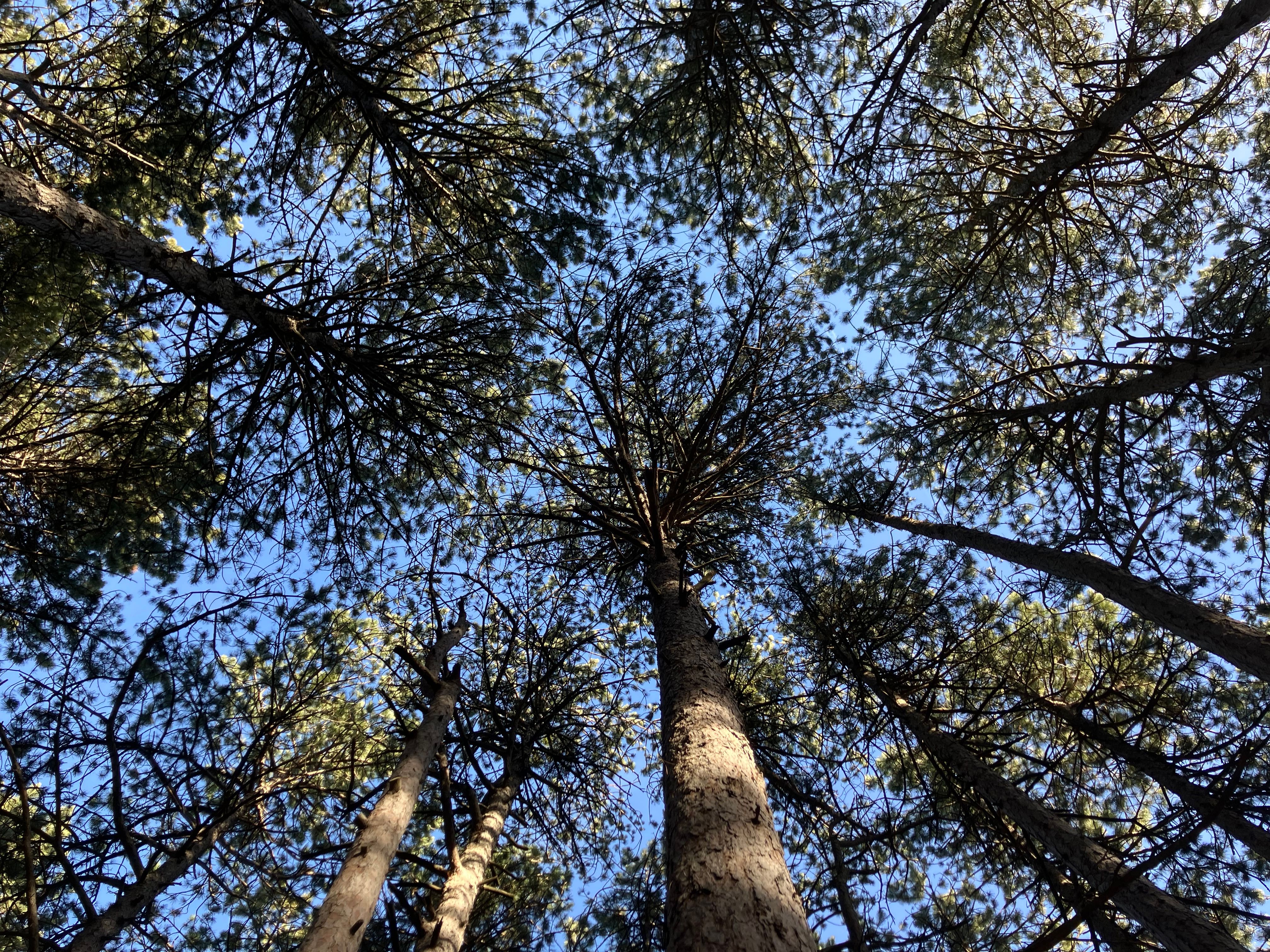
This habitat type is one of the outstanding features of the Natura 2000 site ‘North-Eastern Randalps: Hohe Wand – Schneeberg – Rax’. Here, it is found only in extreme locations at altitudes between 300 and 1,100 metres and, with its umbrella-shaped crowns, gives a ‘southern’, Mediterranean impression. The black pine tolerates the extreme dryness on upper slopes, rocky ridges and crests, enabling it to colonise such inhospitable sites. Pinus nigra austriaca, a distinct variety of the black pine, is more robust and hardy than its southern relatives. Growing to up to 800 years old, it forms a sparse, tall forest covering the slopes of the Limestone Alps or, small and weather-beaten, crowns rocky outcrops and mountain ridges.
In summer, it exudes a wonderful scent in the woods, resinous and fresh. The pine, particularly rich in resin, ‘sweats’: small clear droplets bead down its trunk; the essential oils evaporate and perfume the air. Even before the Romans, who used it as an adhesive and for shaving, the Celts collected resin here – over 2,000 years ago.